After Years of Dark Patches, Failed Creams & Hiding From Social Functions, She Finally Found the Right Treatment for Her Melasma

Melasma Treatment in Surat: “I Stopped Looking in the Mirror…”
How Steroid Cream Abuse, Pigmentation After Pregnancy & Wrong Treatments Slowly Destroyed One Woman’s Confidence
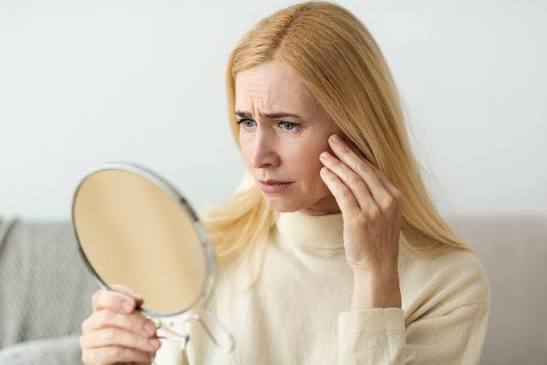
She sat in front of me adjusting her dupatta repeatedly over her face while talking.
Not because anyone had asked her to.
Habit.
The kind that develops slowly when someone spends years trying to hide their skin.
Her first sentence to me was something I still remember clearly.
“Doctor… I don’t even recognize my own face anymore.”
She was 36 years old. Mother of two children. Soft-spoken. Beautiful features. The kind of woman who probably once entered every family function smiling confidently.
But that day, she barely made eye contact during the consultation.
Because melasma had affected much more than just her skin.
It had slowly affected the way she lived her life.
“At First, I Thought It Was Just Tanning”
Her pigmentation had started after her second pregnancy.
Initially, it looked like mild tanning on her cheeks. Everyone around her reassured her that it was temporary.
“It’ll go away.”
“Just use some cream.”
“Maybe it’s because of the sun.”
“Try home remedies.”
“Use ubtan.”
But month after month, the patches became darker.
The pigmentation spread slowly across her cheeks and upper lip. Her skin started looking uneven and muddy in photographs. Makeup stopped covering it properly. Every summer made it darker again.
And then came the comments.
People casually started asking:
“What happened to your face?”
“Why does your skin look dull these days?”
“You should do some treatment.”
Sometimes people think they are simply giving advice.
But they never realize how deeply these comments stay in someone’s mind.
The Cream Her Beautician Gave Her Changed Everything
At some point, she became desperate for faster results.
A local beautician handed her a small white container with no label on it.
No ingredient list.
No prescription.
No instructions.
Just one sentence:
“Apply this daily. Your skin will become clear within 15 days.”
And honestly, in the beginning, it seemed magical.
Her skin suddenly looked brighter. The pigmentation appeared lighter. People even started complimenting her skin again.
For the first time in months, she felt hopeful.
So naturally, she continued using it.
But after a few weeks, things started changing.
Her face began burning slightly whenever she stepped outside. Redness increased. Sunlight started irritating her skin. The pigmentation returned darker than before.
Still, every time she stopped the cream, her face would flare badly.
So she became dependent on it.
This is something I see very commonly in pigmentation patients.
Many unlabeled “fairness creams” and “miracle creams” secretly contain strong steroids.
Initially, steroids suppress inflammation and temporarily brighten the skin. But slowly they damage the skin barrier underneath.
Over time, patients develop steroid dependence, rebound pigmentation, sensitivity, redness, thinning skin, and worsening melasma.
And because the initial improvement feels dramatic, most women do not realize the damage until months later.
The Day She Stopped Going to Social Functions
One sentence she said stayed with me for a long time.
“Doctor, earlier I used to get ready first for weddings… now I make excuses not to go.”
Slowly, she stopped clicking photos. She avoided family events and stopped meeting old friends. Even going outside during daytime started making her uncomfortable.
Every conversation made her conscious of whether people were staring at her pigmentation.
And honestly, this emotional side of melasma is something many people never understand.
People think pigmentation is “just cosmetic.”
But they do not see the anxiety before every function, the frustration after trying hundreds of creams, or the emotional exhaustion of constantly trying to hide.
Melasma does not just affect the skin.
It affects confidence, identity, and self-esteem.
Why Melasma Is So Common in Surat
In Surat, melasma tends to worsen much faster because of constant heat, humidity, and strong UV exposure almost throughout the year.
Many women notice their pigmentation becoming darker after sunlight exposure, cooking heat, travelling outdoors, or even excessive sweating.
Indian skin is especially prone to heat-triggered pigmentation and post-inflammatory darkening. That is why aggressive treatments often backfire and worsen melasma instead of improving it.
Melasma treatment in Surat usually requires long-term pigment control, skin barrier repair, trigger management, and very carefully planned procedures.
“I Have Tried Everything”
By the time she came to me, her skin was exhausted.
She had already tried random online creams, salon treatments, DIY remedies, exfoliating products, pharmacy steroid creams, and multiple home hacks suggested by people around her.
Initially, some treatments made the skin look brighter temporarily.
Then the pigmentation always came back darker.
Because melasma is not ordinary pigmentation.
It is extremely sensitive to heat, hormones, sunlight, irritation, inflammation, and wrong skincare.
And unfortunately, aggressive treatment often worsens it.
The First Thing I Told Her
I still remember her expression when I said:
“We are not going to attack your skin.”
Most melasma patients are used to hearing things like:
“Strong peel karenge.”
“Laser karwa lo.”
“Pigmentation remove ho jayega.”
But melasma treatment should never be about aggressively damaging the skin.
It should focus on calming the skin enough for it to stop reacting.
So before focusing on brightening, we focused on healing.
We worked on repairing her damaged skin barrier, reducing inflammation, controlling triggers, calming steroid-damaged skin, and gradually stabilizing the pigmentation.
Slowly. Carefully. Patiently.
The Hardest Part Was Convincing Her to Believe Again
Because after years of failed treatments, patients stop trusting the process.
Every small flare-up scares them.
Every new patch feels permanent.
Every mirror becomes emotional.
Some days she would sit in front of me and say:
“Doctor, I think it’s becoming dark again.”
Even when clinically, her skin was improving.
That is what melasma does psychologically.
It makes women hyper-aware of their face every single day.
Month by Month, Her Skin Started Looking Softer Again
Not overnight.
Not magically.
But gradually, the muddy appearance reduced. The redness settled. The burning sensation decreased. Her skin tone became more even. The darkness around the upper lip softened. The angry pigmentation patches slowly became lighter.
Most importantly, her skin started looking healthy instead of inflamed.
But the biggest change?
Her expressions changed first.
Patients smile differently when they slowly start feeling like themselves again.
One Day, She Walked Into The Clinic Wearing Bright Red Lipstick
That day, I instantly noticed something different.
Confidence.
She smiled before sitting down.
Then she showed me photographs from a family wedding she had attended the previous week.
No heavy filters.
No face covering.
No awkward camera angles.
Just happy photographs.
And then she said something I will probably never forget.
“Doctor… for the first time in years, I got ready happily.”
Not because her skin had become “perfect.”
But because she no longer felt trapped inside it.
Melasma Treatment Is Never Just About Pigmentation
Many people think women come for pigmentation treatment only because they want brighter or flawless skin.
But often, they are simply trying to feel confident again.
They want to stop hiding. Stop avoiding mirrors. Stop depending on filters. Stop feeling conscious during conversations. Stop cancelling social plans because of their skin.
And honestly, when melasma improves safely and gradually, the emotional transformation is sometimes even bigger than the skin transformation itself.
If You’re Struggling With Melasma Right Now…
Please know this:
You are not overreacting.
And you are definitely not alone.
If you have been using random fairness creams, unlabeled salon products, steroid creams, or treatments suggested casually without proper medical guidance, your skin may not need “stronger treatment.”
It may first need healing.
Because sometimes the skin is no longer just pigmented.
It becomes inflamed, sensitive, dependent, and exhausted.
But with proper diagnosis, barrier-safe treatment, trigger control, patience, and consistency, melasma can become significantly more manageable.
And sometimes healing starts the moment someone finally understands that your pigmentation is not “just a small skin issue.”
Because for many women… it never was.
Frequently Asked Questions About Melasma
Can melasma be cured permanently?
Melasma can usually be controlled very effectively, but it may return if triggers like sunlight, heat, hormones, or steroid creams continue.
Can steroid creams worsen melasma?
Yes. Many fairness creams and unlabeled creams contain steroids that temporarily brighten the skin but later cause rebound pigmentation, skin thinning, sensitivity, and worsening melasma.
Which treatment works best for melasma?
The best treatment depends on the depth of pigmentation, skin sensitivity, hormonal triggers, and previous steroid damage. Treatment may include medical creams, chemical peels, laser toning, and skin barrier repair.
Is laser safe for melasma?
Laser treatment can help selected melasma patients, but aggressive laser settings may worsen pigmentation in Indian skin if not performed carefully.
Why Melasma Is So Common in Surat
Surat’s intense heat, humidity, strong UV exposure, and long summers often make melasma more stubborn and recurrent. Many women notice their pigmentation becoming darker after outdoor exposure, cooking heat, or repeated sun exposure during daily travel.
In Indian skin tones, heat-triggered pigmentation is especially common, which is why melasma treatment in Surat often requires a combination of barrier repair, pigment control, and long-term maintenance instead of aggressive procedures alone.
If you’re looking for safe and effective melasma treatment in Surat, expert care for facial pigmentation, or treatment for steroid-damaged skin, schedule a consultation at Skin & Beyond to receive a personalized treatment plan designed specifically for your skin.